

“SHOT IN BROAD DAYLIGHT: The Delta Killing That Has Nigerians Demanding Answers”
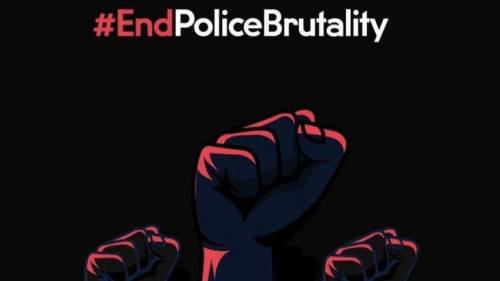
The recent police shooting in Delta State has sparked widespread outrage across the country, once again putting a spotlight on police conduct and accountability.
On April 26, 2026, a 28-year-old man, Mene Ogidi, was shot and killed by a police officer in Effurun, a busy community in the state. What makes this case particularly disturbing is not just the killing itself, but the fact that it was captured on video and quickly spread across social media. The footage ignited anger, grief, and renewed calls for justice.
According to the Nigeria Police Force, the incident has been classified as an extra-judicial killing—a term used when a person is killed without legal process or justification. Reports indicate that the officer involved, an Assistant Superintendent of Police, discharged his weapon in violation of established rules governing the use of force.
Police authorities initially claimed that the victim was suspected of attempting to transport a firearm. However, many Nigerians have strongly questioned this justification. Even if the suspicion were valid, critics argue that it does not excuse the use of lethal force without due process.
The public reaction has been swift and intense. Across social media platforms, Nigerians have expressed frustration, anger, and deep distrust toward the system. For many, this incident is not isolated—it echoes a pattern of excessive force that has persisted for years.
It also brings back painful memories of the End SARS protests, when thousands of young Nigerians took to the streets demanding an end to police brutality and systemic reform. Despite promises made in the aftermath of those protests, incidents like this suggest that meaningful change remains elusive.
In response to the backlash, authorities have taken some immediate steps. The officer involved has been arrested and transferred for further investigation, and the police have reiterated their stance of “zero tolerance” for unlawful killings. While these actions may signal intent, many Nigerians remain skeptical, having seen similar assurances in the past without lasting accountability.
At its core, this tragedy underscores deeper issues within the policing system—weak enforcement of rules, lack of accountability, and a growing erosion of public trust. Each new case reinforces a troubling question: how many more lives must be lost before real reform happens?
The killing of Mene Ogidi is more than just another headline. It is a painful reminder of the urgent need for transparency, justice, and systemic change. Whether this case becomes a turning point or fades into the long list of unresolved incidents depends on what happens next.
For now, Nigerians are watching—and waiting for answers.