
Igbo King Installation in South Africa Triggers Tension and Protests
Nigeria Issues Safety Warning for Citizens in South Africa After Violent Protests
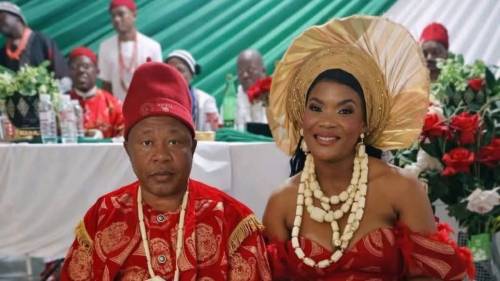
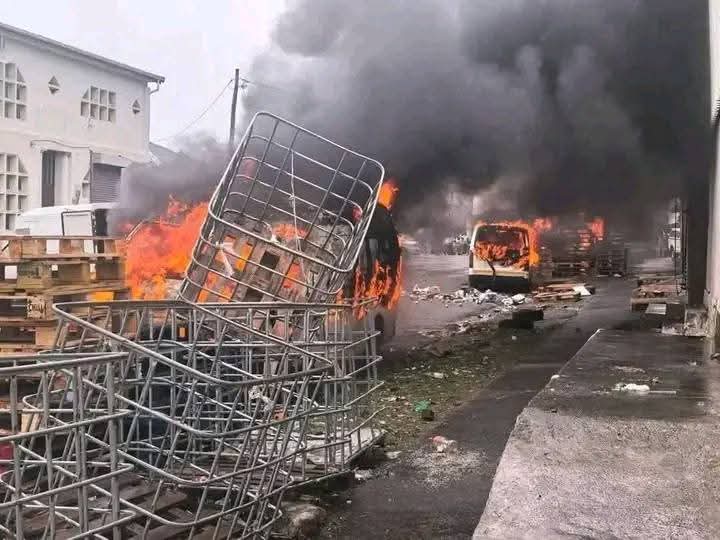
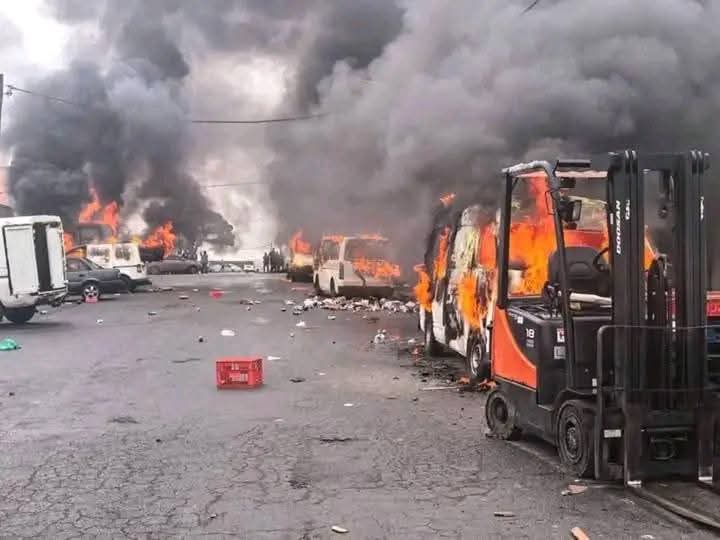
Protests in East London, Eastern Cape, turned violent after the reported installation of a Nigerian traditional leader, Chief Solomon Ogbonna Eziko, as “Igwe Ndigbo.” Civic groups and political parties marched together with local traditional leaders against the coronation. Vehicles were burned, and clashes broke out.
Nigeria has warned its citizens in South Africa to stay safe and keep a low profile. The advisory from the High Commission in Pretoria said:
“In view of the recent developments in Eastern Cape Province and the current palpable tension in the country, the High Commission of the Federal Republic of Nigeria in Pretoria, would like to issue the following advisory and enjoin all Nigerian nationals living and working in the Republic of South Africa to observe the following safety protocols.”
Nigerians were told to avoid protests, report threats, and avoid showing off wealth. The circular also said:
“All nationals are enjoined to consult… if in doubt of any of the safety measures.”
South African police said the protest started peacefully but became violent when some participants moved away from city hall.
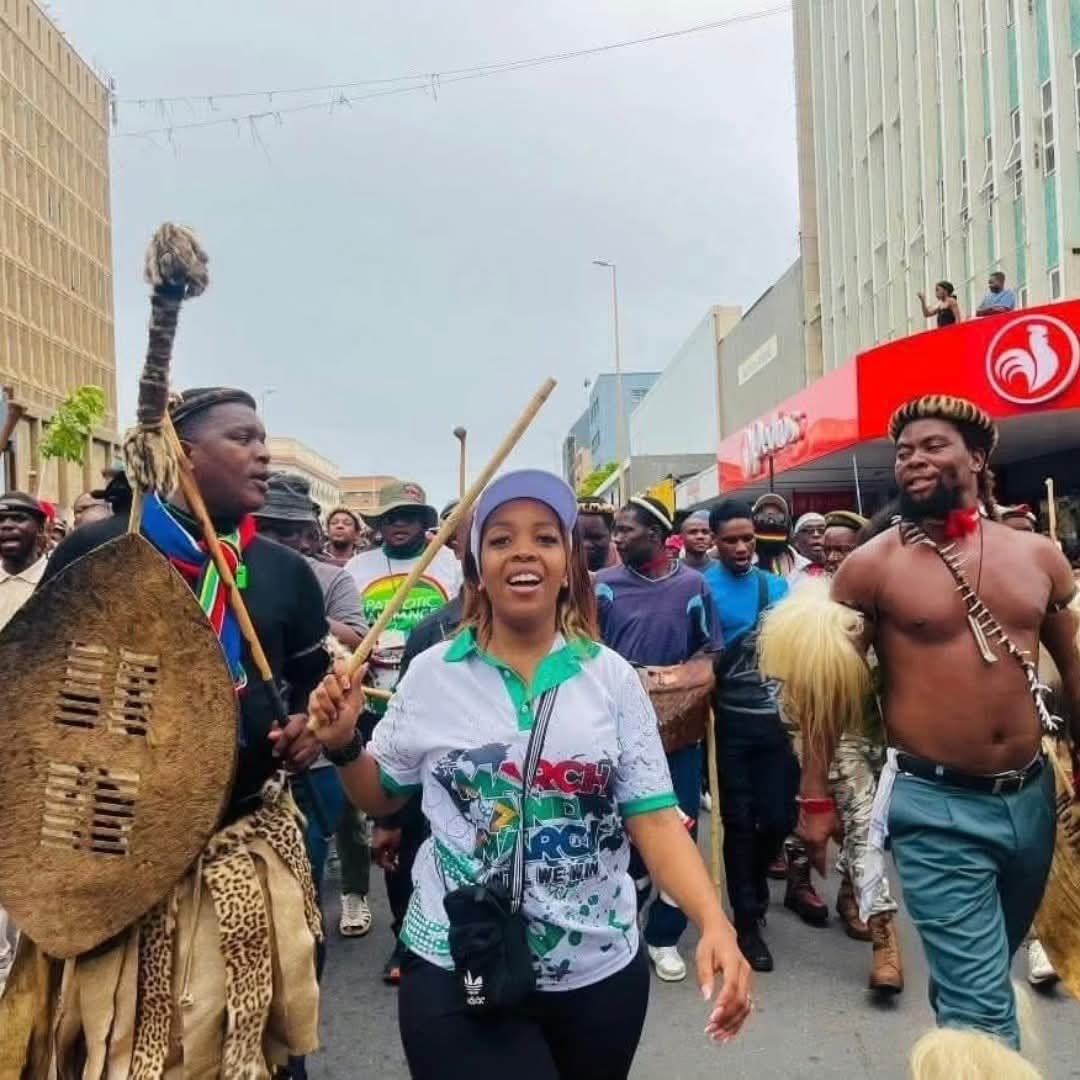
“The protest began as a planned peaceful demonstration by various traditional leaders over the alleged coronation of an Igbo king,” said South African Police Service spokesperson Brigadier Nobuntu Gantana.
“Violence broke out when some participants moved away from the city hall, where a petition was being handed over. Twelve vehicles have been damaged, and several buildings have been torched. Emergency services, including the fire department, remain on the scene, along with the Public Order Policing Unit.”
There was also a stabbing during the unrest. Police said the victim was not linked to the march, but Jacinta Ngobese-Zuma, leader of the March and March Movement, claimed:
“The stabbed person is one of my members.”
The AbaThembu Kingdom, whose members were not involved, criticised the violence and law enforcement:
“We wish to unequivocally distance ourselves from the acts of violence, looting, and destruction of property that occurred during the recent march in East London, KuGompo.”
“The AbaThembu Kingdom supports the constitutional right to peaceful protest, but rejects any form of lawlessness and criminal conduct.”
“His Majesty, King Buyelekhaya Zwelibanzi Dalindyebo, and no member of the AbaThembu Royal Council deployed to or participated in this march. Those who attended did so in their personal capacity and do not represent the AbaThembu Kingdom in any official form.”
“What steps were taken when the call for this march was first announced?”
“If the country has intelligence capabilities, why were early warnings not acted upon to prevent the violence and looting?”
“Did failures within the police and intelligence community effectively give space and power to hooligans to terrorise communities?”
“The Eastern Cape is not an annexure or colony of any foreign nation. There must be accountability and clarity on how such a situation was allowed to arise"
This situation left Nigerians asking “Is this protest really about protecting culture, or is it just tribalism in disguise?”