
BREAKING: Iran’s Supreme Leader Ayatollah Ali Khamenei Reportedly Killed in Massive US-Israel Airstr
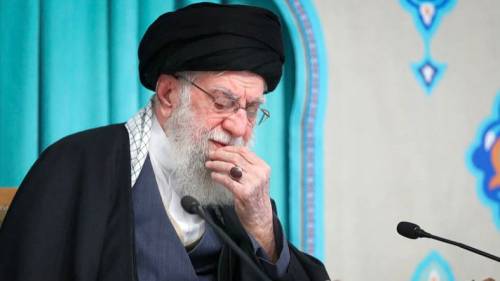
Global tensions escalated dramatically over the weekend following reports that Iran’s Supreme Leader, Ayatollah Ali Khamenei, was killed during large-scale aerial strikes targeting the Iranian capital, Tehran. According to state media announcements released early Sunday, the 86-year-old leader died after coordinated attacks allegedly carried out by the United States and Israel, marking one of the most shocking geopolitical developments in recent Middle East history.
An emotional broadcaster on Iranian state television confirmed the development while struggling to hold back tears, declaring that Khamenei had “achieved his long-cherished wish of martyrdom” during the holy month of Ramadan. The announcement immediately triggered nationwide mourning broadcasts, with religious and political figures describing the incident as a historic loss for Iran and its allies.
The announcer strongly condemned the attacks, accusing what he described as “criminal Americans and wicked Zionists” of orchestrating the operation. He further claimed that the killing of such a prominent figure would ignite renewed resistance against global powers perceived as oppressors, signaling the possibility of heightened regional instability and retaliation.
Reports from Iran’s semi-official Fars News Agency, which maintains close ties to the Islamic Revolutionary Guard Corps (IRGC), stated that several members of Khamenei’s family — including his daughter, son-in-law, and granddaughter — were also killed during the strikes. While independent international verification remains limited, the reports have intensified reactions across political and religious communities within the region.
Security analysts warn that the alleged assassination of Iran’s highest authority could reshape Middle Eastern geopolitics overnight. As Supreme Leader since 1989, Khamenei held ultimate control over Iran’s military, judiciary, and foreign policy direction. His reported death raises urgent questions about succession, internal stability, and the risk of broader international confrontation.
World leaders are expected to respond cautiously as global markets and diplomatic channels react to the unfolding crisis. Observers fear the situation could trigger retaliatory actions, proxy conflicts, or emergency negotiations aimed at preventing further escalation. The coming days are likely to determine whether this moment becomes a turning point toward wider conflict or a catalyst for urgent diplomacy.
👉 Stay updated with verified global breaking news, deeper analysis, and real-time developments only on trendio.blog — follow us now and never miss the stories shaping the world.