

Scientists Reveal Shocking Findings About Ponmo — But Here’s the Nutritional Truth

Yesterday as I ate this delicious ogbono soup, I romanticized with the dry fish, okporoko popularly called stock fish, periwinkle and the meat ( cow meat to be precise) when I picked up the ponmo meat which I don't actually know the need for it when I already have the beef, so I decided to do a little research on the commonest meat in Nigeria. Come with me:
A recent study published by the National Library of Medicine has uncovered some serious findings about ponmo, one of Nigeria’s most popular and affordable meat alternatives. With the rising cost of beef, chicken, and eggs, many Nigerians now rely heavily on ponmo. But according to the research conducted in Ilishan-Remo market, all the ponmo samples tested contained high levels of bacteria.
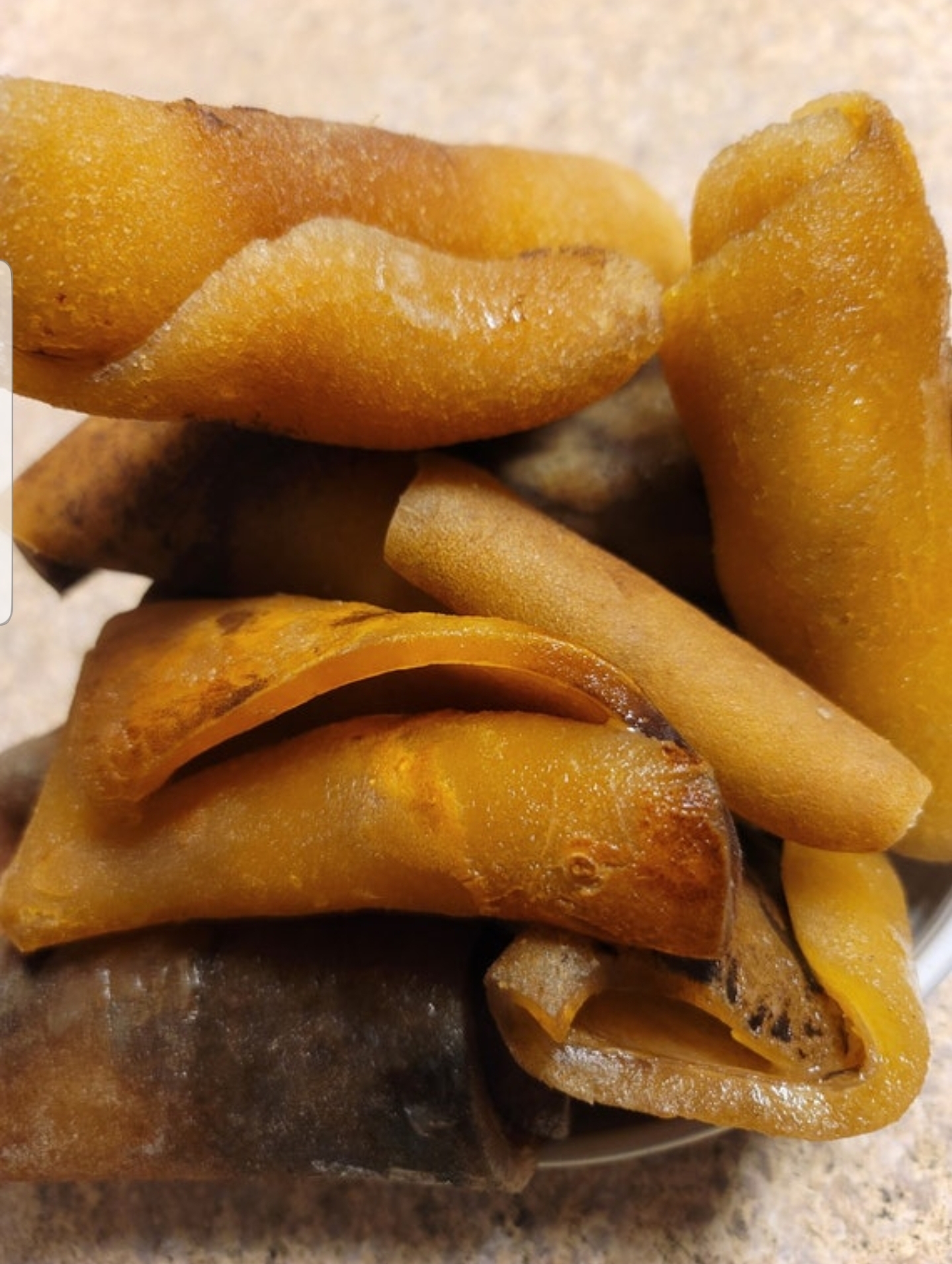
The study found harmful microorganisms like Escherichia coli (E. coli), Staphylococcus aureus, Klebsiella, and Pseudomonas. These bacteria are often linked to poor hygiene, dirty water, and improper handling. Even more concerning, many of the bacteria were resistant to several antibiotics, meaning infections caused by contaminated ponmo could be harder to treat.
But before you panic, there’s another side to the story.

The same study also looked at the nutritional value of ponmo. It found that Wet White Ponmo contains some amount of protein, fat, and fiber. Ponmo is mainly made up of collagen — a type of protein that supports the skin, joints, and body tissues. While it doesn’t provide as much complete protein as beef, it still contributes some nutrients to meals, especially for families looking for affordable options.
The real issue isn’t ponmo itself — it’s hygiene. Poor processing, exposure in open markets, and contaminated water increase health risks. Washing thoroughly and cooking at high temperatures can reduce many of these bacteria.
The Bottom Line
Ponmo remains a common part of Nigerian diets. The findings from the National Library of Medicine highlight the need for better food handling practices — not necessarily total avoidance.
👉 What do you think? Will this study change how you buy or eat ponmo? Drop your thoughts in the comments and share this article to keep others informed. Stay updated with more health and lifestyle insights on trendio.blog.