

Did All Sexually Transmitted Diseases Come From Animals? The Truth Might Surprise You
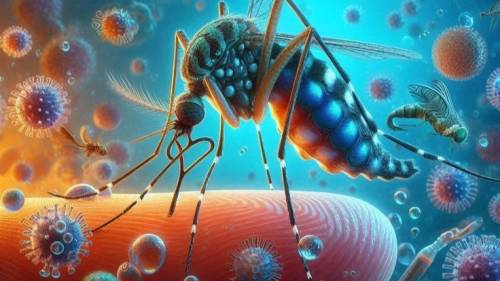
Many people have heard the shocking claim that all sexually transmitted diseases originated from animals. It’s a statement that often spreads online and sparks curiosity or debate. But when you look closely at scientific research, the truth is more nuanced. While some infections may have ancient links to animals, most sexually transmitted diseases today are primarily human diseases passed from person to person.
One well-known example often discussed is HIV/AIDS. Scientists discovered that the virus is closely related to viruses found in chimpanzees and other primates. Historical studies suggest the virus crossed into humans many decades ago and eventually evolved into the strains that spread among people through sexual contact, blood transmission, and childbirth. Today, however, the virus spreads almost entirely between humans.
Another infection that researchers believe may have ancient evolutionary connections with animals is Herpes Simplex Virus Type 2, commonly known as genital herpes. Evidence suggests humans may have acquired an early form of the virus from primates millions of years ago. Over time, the virus adapted specifically to humans and now spreads mainly through skin-to-skin sexual contact.
However, not all sexually transmitted infections have animal origins. Diseases such as Syphilis, Gonorrhea, and Chlamydia appear to have evolved primarily within human populations. These bacteria have become highly specialized to infect human reproductive tissues and are spread through sexual contact rather than through animals.
The reason the animal-origin idea spreads so easily is because many major human diseases started as animal infections before adapting to humans. Examples include COVID-19 and Ebola Virus Disease, both of which are believed to have animal reservoirs. Because of this pattern, people sometimes assume the same must apply to all sexually transmitted diseases, even though that is not scientifically accurate.
What science shows clearly is that sexually transmitted diseases today are largely maintained within human populations. They spread through sexual contact, blood exposure, or from mother to child during pregnancy or childbirth. Animals are not part of the modern transmission cycle for most of these infections.
For more eye-opening health discoveries, lifestyle insights, and trending stories that keep you informed, visit trendio.blog and stay ahead with knowledge that matters